
The Legacy of the Tuskegee Airmen
The legacy of the Tuskegee Airmen goes beyond flight. These men reshaped military history and paved the way for future generations in aviation and aerospace.
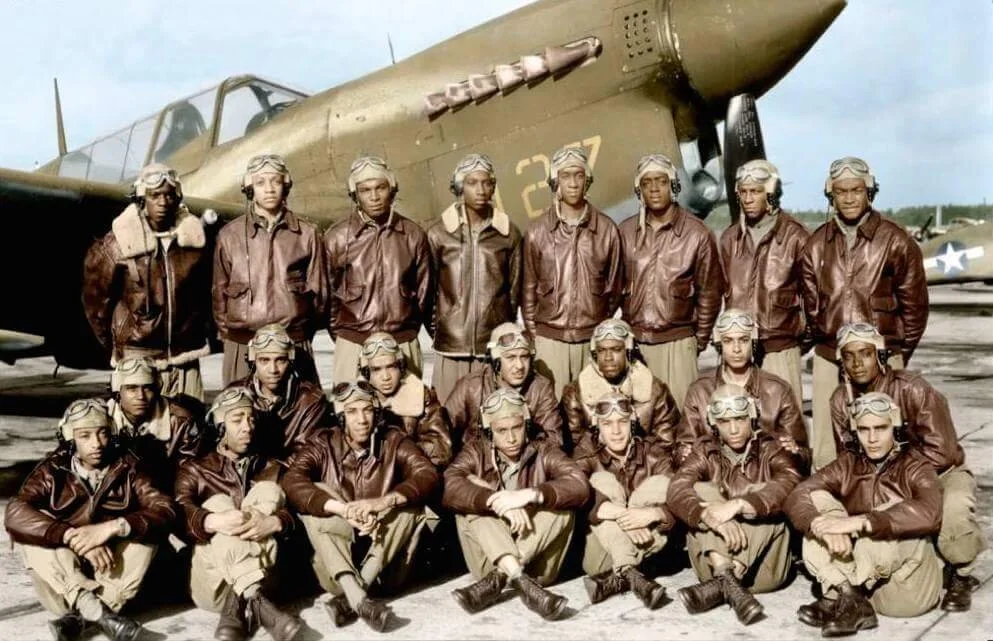
The Tuskegee Airmen were the first Black military aviators in the U.S. Army Air Corps during WWII. They were trained at Tuskegee Army Airfield in Alabama. The airmen consisted of pilots, navigators, bombardiers, mechanics, instructors, and support personnel. The entire team's dedication to excellence is what made their missions possible.
The Tuskegee Airmen flew more than 200 escort missions and never lost a bomber. Their success helped challenge segregation policies in the U.S. military and contributed to the broader momentum toward desegregating the U.S. armed forces after the war. Their courage and dedication to excellence proved that Black aviators were more than capable of thriving alongside White aviators and laid the groundwork for future generations of Black military and civilian aerospace professionals.
The Aircraft Behind The Legacy
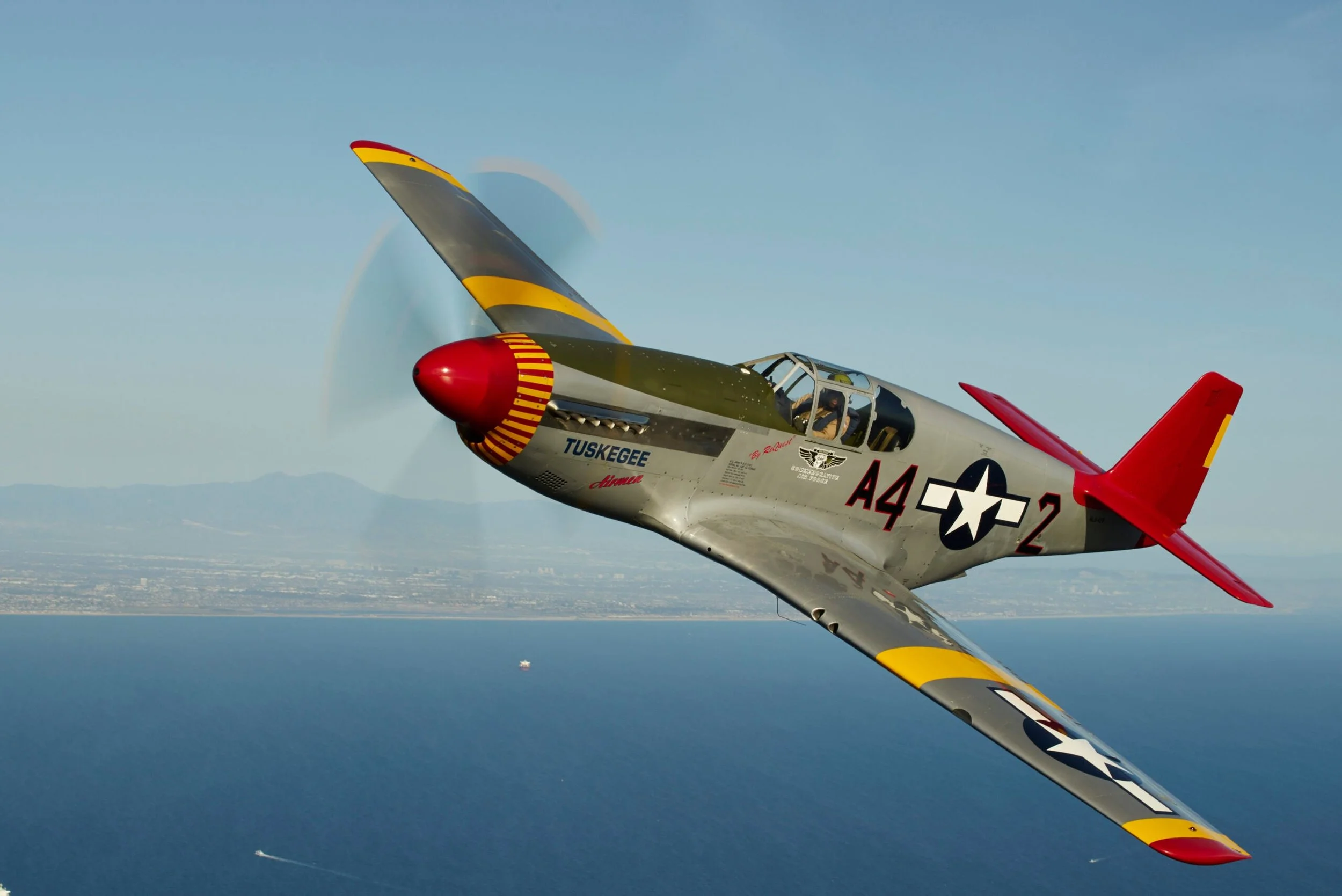
After being deployed to Italy, the pilots of the 332nd began flying P-51 Mustangs to escort bombers of the 15th Air Force on raids deep into enemy territory. The tails of these planes were painted red for identification purposes, earning them the nickname “Red Tails.”
Their Legacy Lives On




The legacy of the Tuskegee Airmen is the foundation that inspires our work at Tuskegee NEXT. We actively honor and extend their impact by creating pathways of opportunity for young people of color interested in aviation and STEM. Through education, mentorship, and career exposure, we empower future changemakers to build on the Airmen’s strength, intelligence, and resilience. We are proud to expand access and opportunity for Black communities and other underrepresented groups across the aviation and aerospace industries.